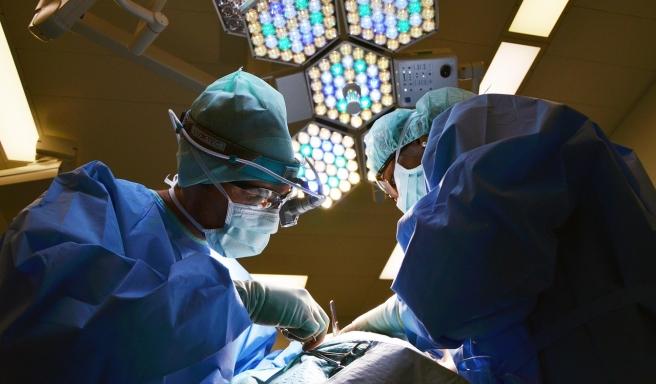
Laura Terranova, 46, thought she was just coming down with the flu. But her symptoms, including shortness of breath, extreme fatigue, and dizziness, were actually signs of acute heart failure. Her heart wasn’t pumping blood properly, and she was rushed to Yale New Haven Hospital. Over just a few days, she required four different devices and multiple surgeries to keep her heart beating. At one point, her family was encouraged to prepare for the worst.
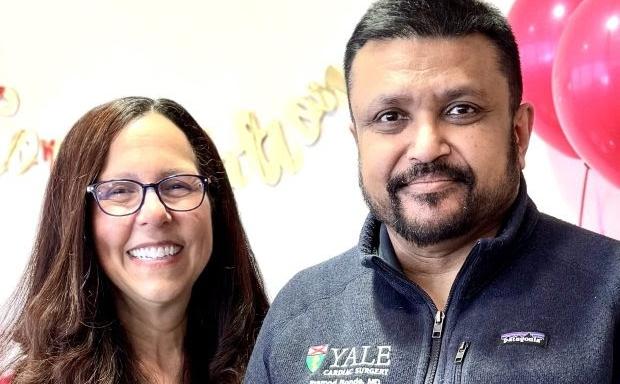
Thanks to the skill, experience, and quick thinking of cardiac surgeon Dr. Pramod Bonde, Laura survived. Dr. Bonde, who specializes in complex heart failure and advanced cardiac interventions, led a team that managed her care with precision under extreme conditions. His expertise not only saved her life but also inspired him to improve heart failure treatment for future patients.
Patients facing traditional heart failure care often endure major challenges. They are exposed to the risk of post-surgical infections, tethered to hospital beds with multiple catheters and drivelines, and face long and expensive hospital stays. Many must endure repeated invasive procedures, painful recovery, and the constant worry of device misplacement and other complications, limited mobility, and disruptions to daily life. These difficulties urgently demand more flexible solutions.
Recognizing this, Dr. Bonde has collaborated with innovators of Yale and Harvard to develop safer and more effective solutions. One of such breakthroughs is Corisma MCS Systems - next generation heart pump designed to make heart support simpler and more reliable. The device is fully implanted, powered wirelessly, and gently moves blood to protect the heart and blood cells. Its larger impellers allow smoother blood flow, reducing stress on blood cells and preventing them from being damaged.
Corisma adapts automatically to a patient’s needs, balancing the heart’s left and right sides and adjusting support in real time. By combining several older devices into one system, it reduces the need for multiple surgeries, lowers infection risk, and allows patients to move freely during recovery.
Corisma’s technology works for patients at all stages of heart failure, from sudden emergencies to longer term support or even as a bridge to transplant. It is designed to help the heart recover naturally while keeping patients safe and mobile. Its wireless freedom, gentle blood flow, and adaptive support open new possibilities for patients and doctors alike, giving more people the chance to survive and regain a normal life.
“Laura’s resilience was extraordinary, but the next patient shouldn’t have to be a hero,” said Dr. Bonde. “With Corisma, we can focus on enabling recovery, not just supporting survival. It’s a true step forward in heart failure therapy.”
Today, Laura thrives. She works, travels, rides roller coasters, and enjoys life with her family. She volunteers with the American Heart Association and shares her story to inspire others. Thanks to Dr. Bonde’s expertise and innovative solutions like Corisma, patients facing heart failure now have a safer, more effective path to recovery, with hope for a better quality of life