The global landscape of cardiovascular health is at a critical juncture. With over half a billion people living with cardiovascular diseases and 20 million deaths annually, the need for disruptive innovation has never been more urgent. At a recent gathering of global investment leaders, the discussion centered on a transformative leap in medical technology: CoRisma and its groundbreaking Vega Tech platform.
The session opened with a stark reminder of the current limitations in cardiology. As Eric Heinz, Founder and MP of Heinz Ventures, said, "One area of continued unmet need is in the area of heart failure... there just aren't enough heart transplants to go around". This sentiment was echoed by investors who emphasized that the industry often focuses too heavily on reactive treatment rather than early detection and prevention. Israel, an investor at the event, highlighted the danger of asymptomatic clogged arteries, noting that many people walk around without symptoms until "all hell breaks loose" and they suffer a massive heart attack. He argued that finding ways to identify these issues "way ahead of the game" would be a major game-changer.
The quest for earlier intervention has turned many investors toward the potential of data and artificial intelligence. Pasi Pohjala, Founder and CEO of ATG Consulting, noted the rapid development of AI capabilities that can analyze data from consumer wearables, such as smartwatches and rings, to forecast potential risk factors before they become critical. Similarly, Bob Sweeney, Senior Venture Partner of Global Health Impact Funds, whose fund focuses on technology applications, pointed out that approximately 75% of people presented for cardiac stents in the U.S. may not actually need them. He sees immense promise in using AI to reduce these "false positives" and to predict which patients are at risk for complications following procedures like heart ablation.
The Status Quo: A Tethered Reality
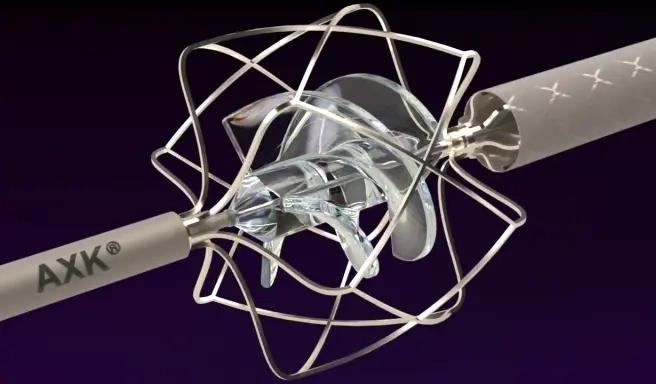
Existing mechanical circulatory support (MCS) devices, such as heart pumps, have saved countless lives but come with significant drawbacks. Current percutaneous pumps utilize tiny impellers, often described as "drills in the heart," that must spin at 40,000 RPM to move blood. This high speed frequently leads to hemolysis, the destruction of red blood cells. Furthermore, these devices are "tethered" to the patient via a driveline—a physical cable exiting the body that serves as a constant infection risk and limits mobility.
Dr. Pramod Bonde, the founder of CoRisma, highlighted the systemic failure of this "bifurcated" market. "Currently, what we do is that we have a pump for each indication... it's basically you are trying to change the tire as your car is moving," Dr. Bonde explained, referring to the dangerous necessity of swapping devices as a patient’s condition evolves. This interventional stage is what investors like Sanjay Arora, Partner of Shubhan Ventures, and Carl Jones, Founder of Inhite Ventures, hope to avoid by shifting focus to "modifiable risk factors" and early detection tools like whole-body MRI scans and genetic risk assessments. As Peter Volpe, Chairman at Canadian Institute of Financial Planners, noted, finding tools for early detection reduces the eventual demand on the entire healthcare system.
Vega Tech: The Wireless Disruptor
CoRisma’s Vega Tech platform aims to dismantle these barriers through three core innovations: an expandable impeller, wireless power, and a universal application continuum.
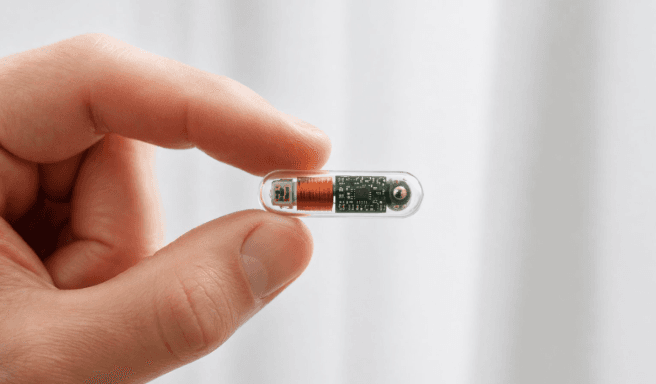
The Vega Tech impeller is designed to be inserted via a standard catheter but expands once placed within the heart. This larger surface area allows for a "gentle flow" at lower RPMs, significantly reducing the risk of blood damage. Perhaps most transformational is the wireless power system. By eliminating the driveline, CoRisma removes the primary source of post-surgical infection and grants patients "wireless freedom".
William Vogel, CEO of CoRisma, described the platform as a "category-redefining leap from tethered bridge to untethered therapy". He emphasized that the platform is agnostic of indications, meaning a single device can support a patient from acute shock through to long-term destination therapy.
A New Paradigm in Patient Care
The implications of an untethered, gentle-flow pump extend beyond the operating room. Investors at the summit were particularly intrigued by the potential for remote monitoring and the transition from hospital to home care. "By removing the catheter, we remove the tether to the hospital bed," Vogel stated, outlining a future where advanced heart support is integrated into daily life rather than confining patients to an ICU.
This vision aligns with the concerns of investors like Vishal Arora, Founder and Managing Partner of PanCosmic Capital, and Alexander Tang, Managing Director of Everest Advisors, LLC, who noted that cardiovascular stress is increasingly affecting younger populations in their 20s and 30s. While they emphasized the continued importance of natural interventions like nutrition and exercise, they recognized that for those who do reach advanced stages, more sophisticated, less intrusive technology is required.
Dr. Bonde added that the technology is supported by a robust IP moat, including the very wireless charging principles now common in consumer electronics. This maturity in technology, combined with a "physiologically adaptive algorithm" that uses AI to respond to the heart’s beat-to-beat needs, positions CoRisma as a formidable player in a market where the last major acquisition reached $16.6 billion.
As the cardiology field moves toward personalized, accessible, and less invasive solutions, CoRisma represents more than just a better device. It is, as Dr. Bonde concluded, "tomorrow's treatment" today, a fundamental shift that prioritizes both the longevity of the patient and the integrity of the heart.