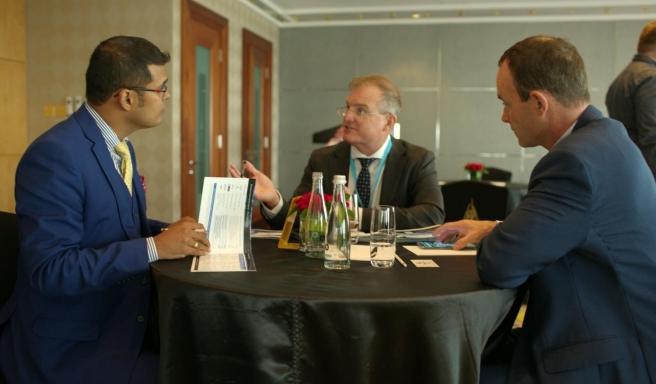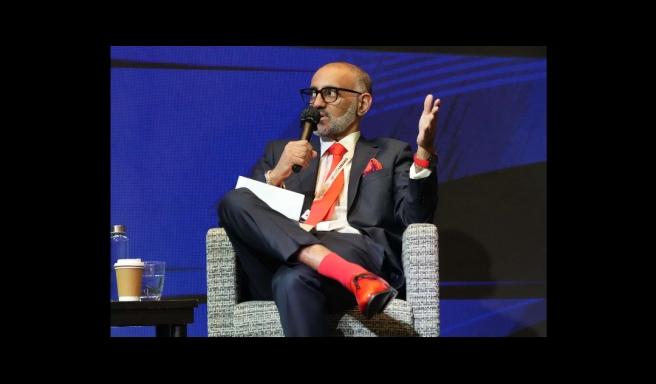

The macroeconomic climate of 2026 presents family offices with unprecedented operational challenges, driven by erratic regulatory overhauls, aggressive domestic fiscal shifts, and the fracturing of historical trade alliances. For wealth allocators, safeguarding multi-generational capital now requires a proactive departure from legacy investment strategies. At the 270th Global Club Gathering of the Family Offices, organized by the Global Investment Leaders Club, family principals and chief executives examined alternative frameworks designed to insulate wealth from global instability. Rather than relying on passive asset diversification, the strategic focus has transitioned toward capital migration into hard infrastructure, defensive tax positioning, and localized technological sovereignty.
Prioritizing Physical Infrastructure and Technological Utility
One of the primary defensive maneuvers involves anchoring capital within tangible assets that possess long-term, secular utility capable of outlasting political friction. The massive acceleration of digital modernization has made technology infrastructure a vital defensive hedge. Hoay Beng Ooi, Managing Director of Falconcrest Limited, highlighted that physical expansion is drawing significant institutional attention. "I see a lot of activity in the AI data center space," Ooi observed. "A lot of construction is going on, and a lot of investors are coming in to build data centers." This rapid development creates secondary investment requirements for fundamental utilities, such as power plants and water systems. However, Ooi noted that these capital deployments face distinct operational hurdles, particularly severe supply shortages in energy and specialized technical personnel. To counter these vulnerabilities, family offices are increasingly utilizing coordinated cross-border partnerships to stabilize operational ecosystems and secure vital resources.
Mitigating Fiscal Pressures and Aggressive Domestic Taxation
Beyond cross-border political frictions, domestic fiscal volatility and tightening monetary policies present immediate risks to wealth preservation. High inflation, rapid interest rate spikes, and escalating tax burdens are severely depressing corporate innovation incentives. Craig Astill, Founder & Chief Executive of Caason Group, described the profound operational difficulties caused by restrictive fiscal environments. Astill pointed out that certain jurisdictions face a capital gains tax as high as 47 percent, combined with compounding economic instability. "We've got economic anarchy going on here with effectively rising interest rates," Astill remarked, noting the consequences of consecutive rate hikes alongside climbing unemployment. To preserve portfolio valuation under these conditions, family offices are actively redirecting capital away from punitive fiscal systems and toward jurisdictions that offer stable, highly predictable investment conditions and supportive tax frameworks.
Cultivating Internal Innovation and Strategic Realignment
As historical geopolitical alliances fracture, traditional trade dependencies are breaking down, forcing a complete reassessment of long-standing bilateral investment channels. A Co-Founder and Partner of a venture capital, explained that family offices must adapt to less predictable international policies as established cooperative agreements dissolve. "We are coming to terms or have come to terms with the breakup of our long-standing relationship with our neighbor," Madsen stated. This structural disintegration has necessitated a dual-pronged strategy: diversifying institutional partnerships across alternative global networks and intensifying local capital allocation. Madsen emphasized that this shift is accompanied by a "renewed nationalistic effort around investing in innovation and building up our own internal innovation capacity." By prioritizing internal technological self-reliance, investors can successfully construct a portfolio shield against external geopolitical shocks.
Navigating Demographic Risks and Structural Stagnation
Portfolio resilience also depends on an investor’s ability to anticipate structural stagnation caused by restrictive domestic laws and demographic shifts. Political pushes to implement strict population caps or immigration limits directly threaten economic growth by stifling the influx of external talent. Werner Schuenemann, Managing Partner of Xandance & Partners, noted that such political maneuvers cause significant long-term instability for localized businesses. Furthermore, Schuenemann expressed concern regarding the pervasive inability of governing bodies to execute meaningful tax and structural reforms, which ultimately dampens broader economic projections and stalls industrial modernization.
Defensive Capital Positioning and Sectoral Shifts
In response to escalating geopolitical noise, several family offices have adopted explicitly defensive capital positioning. Ariel Ovadia, Managing Director of Ovadia Holding Co, revealed that his office is preparing for a broad market pullback, describing the current environment as a "topping phase" driven by what he termed the "AI bubble." To protect portfolios, his firm is "taking off entire portfolios or adding a layer of options, selling calls against almost our entire portfolio." Similarly, Marta Albert, Principal of QG Family Office running a family office between London and Madrid, confirmed a strategic buildup of liquidity, stating, "We have been piling up cash and sitting in cash," while maintaining physical holdings in gold and silver as well as Bitcoin. Werner Schuenemann reinforced this caution, advising, "Cash, cash, cash. I'd rather stay on the sideline" given what he called a "dangerous scenario in global equity markets."
Other investors pointed to specific sectors as natural hedges. Lisa Morris, Managing Director of AKS Family Partners LP, noted that defense and critical minerals have become particularly attractive "because it seems like a war climate." Meanwhile, Guneet Banga, Co-Founder and Managing Partner of Parinama Ventures, focused on climate tech in India, argued that family offices must lead the way in battling climate change because "they think long term, think legacy generationally, not quarter by quarter by quarter share price." Alessandro Mele, Co-Founder & CEO of EthicalFin, added that building resilience means "trying to develop self-resilience rather than resilience to external factors," including being selective about news and focusing on long-term secular trends like sustainable systems.
Conclusion
Building a resilient portfolio in 2026 demands a rigorous focus on asset utility and sovereign security. By shifting wealth toward essential infrastructure, cultivating local innovation, and migrating away from predatory tax environments, family offices can insulate their capital from global volatility.